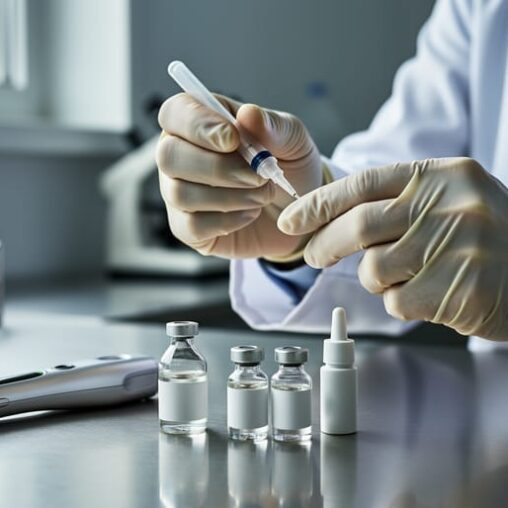
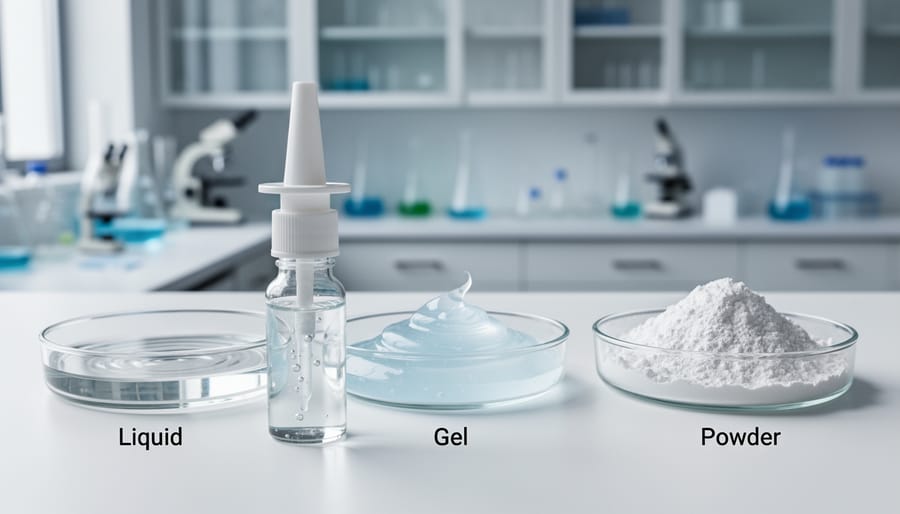
In research, nasal NAD+ comes down to one early decision: choosing a delivery format, whether that’s a spray, a powder, or a gel. Each one changes how the compound is dosed, stored, and handled, so the format shapes your whole study design. Pick it first, and everything downstream gets easier. The NAD nasal format is a useful reference point for seeing how a nasal-ready preparation is typically presented to researchers.
Think of it like planning a tournament broadcast. You wouldn’t buy cameras before knowing the venue, and the same logic applies here. Just as a clean equipment setup keeps a live show running without hiccups, the right format keeps a protocol consistent from batch to batch.
This guide breaks down what nasal NAD+ research involves, how the formats compare, who can run this kind of work, and what rules and responsibilities come with it. Everything here is research-only and evergreen.
What Nasal NAD+ Delivery Means in a Research Context
Think of a delivery route like a game’s connection type. The same match can feel crisp on a wired line and sluggish over spotty Wi-Fi, even though the content never changes. In research, the “pipeline” a compound travels through can change how it behaves in a similar way.
Nasal NAD+ delivery, in a research context, means studying NAD+ (a coenzyme tied to cellular energy metabolism) as something applied through the nose in lab and preclinical settings. Researchers look at this route for a few plain reasons. The nasal lining gives direct access to a thin, well-supplied tissue. It can sidestep some limits of oral delivery, such as breakdown in the gut, and some of the practical hurdles of injections. And there’s real curiosity about how a compound might travel from the nose into systemic circulation, or even toward the brain, an idea explored in the broader field of nose-to-brain drug delivery.
It helps to be clear about what this topic is and isn’t. It’s a research tool and a study design question: which route, which format, and how to measure what happens. It is not a consumer health claim, and nothing here suggests a proven benefit for everyday use. Much of the work remains early-stage, so findings should be read as exploratory rather than settled.
That’s why the route comes up so early in planning. Before you can compare results, you have to know exactly how the compound is being delivered.
Format Considerations: Spray, Powder, Gel, and Beyond
Stability, pH, and Storage Basics
NAD+ is a bit like a delicate game cartridge: leave it somewhere hot, bright, or chemically hostile, and it won’t perform when you need it. The molecule breaks down faster with heat and light, and it’s especially picky about pH. In solution, NAD+ is relatively stable in mildly acidic to neutral conditions, but it degrades more quickly as the environment turns alkaline. That’s why the buffer you choose isn’t a side detail. It’s part of the format decision itself.
A liquid spray needs a buffer that keeps NAD+ intact while staying compatible with the nasal mucosa. A dry powder sidesteps some water-driven breakdown but brings its own moisture and handling concerns. Either way, how the material is stored before use can shape your results as much as the formulation does.
Here’s a quick-reference list of factors worth recording in your protocol:
- Storage temperature and any cold-chain steps during transport.
- Light protection, such as amber vials or opaque packaging.
- Buffer type and the pH of the final formulation.
- Time between preparation and administration.
- Freeze-thaw cycles and how many times a container is opened.
- Lot numbers and certificate of analysis details.
Logging these consistently makes your results far easier to interpret and reproduce.
Dose Consistency and Device Choice
In a study, consistent delivery is what lets you compare one group to another. If one subject gets a firm, metered burst and another gets a few loose drops, you’re no longer comparing the treatment, you’re comparing the technique. Think of it like a tournament running mismatched hardware: results mean little if the setups aren’t identical.
Metered devices deliver a fixed volume each actuation, which tightens repeatability. Droplet volume, head position, and how quickly the dose is given also change how much reaches the mucosa and how much runs off. Writing down the device, volume per actuation, and technique keeps runs comparable.
| Format | Typical research advantage | Key consideration | Storage or handling note |
|---|---|---|---|
| Metered liquid spray | Repeatable volume per actuation | Droplet size depends on the device | Protect from heat and light |
| Drops | Simple and flexible | Volume varies with technique | Keep sealed and cool |
| Dry powder | Can improve stability | Particle size affects deposition | Keep dry and sealed |
| Gel | Longer contact time | Harder to dose evenly | Check viscosity before use |
Whichever format you choose, train everyone who administers doses on the same steps and keep a log. A tight, documented routine is what makes your results believable.
Who Can Work With Nasal NAD+: Eligibility and Qualification Requirements
Think of eligibility like getting credentialed for a major tournament: you don’t just walk onto the stage, you need the right access, the right paperwork, and people who know the rules. Nasal NAD+ research works the same way. It’s generally the territory of qualified researchers working within institutions or organizations that provide appropriate oversight, such as universities, research labs, or contract research groups.
While exact requirements vary, most legitimate projects share a common set of prerequisites:
- Institutional affiliation or direct oversight from a recognized research body.
- A documented protocol that defines the question, format, and administration method.
- Ethics or committee review where animal or human subjects are involved.
- Verified material sourcing from reputable suppliers, backed by documentation like certificates of analysis.
- Trained personnel who understand safe handling, storage, and record-keeping.
Sourcing deserves extra attention. Because format and purity shape how results are read, researchers typically want paperwork showing what the material is, how it was tested, and how it should be stored. A supplier that can’t provide that is a red flag, much like a sketchy capture card that drops frames mid-broadcast.
Study type matters too. Bench work with no living subjects usually faces a lighter review path than preclinical animal work, and studies involving people sit at the strictest end of the spectrum, with formal ethics approval and informed consent at the center.
Here’s the key point: eligibility depends on your jurisdiction, your institution, and the kind of study you’re planning. This section offers a general map, not a rulebook for your location. Confirm the specifics with your own governing bodies, such as your institution’s compliance office or ethics committee, before you plan anything further.
Rights, Responsibilities, and Compliance in Research Use

Every good event runs on a rulebook, and nasal NAD+ research is no different. Know the rules before you hit “go live,” because fixing a compliance gap after the data is in is a lot harder than preventing one.
Start with what you can reasonably expect. Researchers working through legitimate channels should receive supplier documentation for the materials they buy, including a certificate of analysis that confirms identity, purity, and batch details. You can also expect access to institutional guidance on oversight, safety training, and approvals. If a supplier can’t produce that paperwork, treat it as a red flag, not a minor inconvenience.
Then there’s what’s expected of you. Keep clear, dated records of everything: material sources and lot numbers, formulation steps, storage conditions, administration methods, and any deviations from the plan. Handle compounds and devices according to your lab’s safety procedures, and store them as the documentation specifies, since format and storage directly affect your results. If animals or human participants are involved, ethical treatment isn’t optional. That means securing the appropriate review and approvals first and following the approved protocol exactly.
Honest reporting matters just as much. Share your limitations, such as small sample sizes, formulation variability, or inconsistent dosing, alongside your findings. Overstating results is the research equivalent of faking a highlight reel, and it erodes trust fast.
Finally, stay inside the lines of research use. Don’t frame findings as consumer health benefits or therapeutic promises, and don’t market study materials for personal use. Clean documentation, ethical conduct, and modest claims keep your work credible and defensible.
Planning a Research Setup: From Protocol to Reporting
Think of a nasal NAD+ study as a live broadcast: the run of show gets locked before anyone goes on air. Here’s a sequence that works, with format choice as the anchor decision.
1. Define the question. Decide what you’re measuring and why the nasal route matters for it. Every later choice flows from this.
2. Select the format. Match spray, powder, or gel to your question, your model, and your stability limits. Write down the reasoning, not just the pick.
3. Verify material quality. Request a certificate of analysis, confirm storage conditions on arrival, and log lot numbers. Cheap checks now save a failed study later.
4. Set up controlled administration. Standardize device, volume, timing, and technique so you can keep results consistent across groups and sessions.
5. Document everything. Record deviations, environmental conditions, and who did what. If it isn’t written down, it didn’t happen.
6. Report transparently. Share your methods, your limitations, and any results that surprised you.
The parallel to event setup is hard to miss. A clean broadcast depends on checklists, backup gear, and a documented production workflow that anyone on the crew can follow. A good study needs the same three things: a checklist for each step, redundancy (spare aliquots, backup storage, a second person verifying key steps), and records clear enough that another team could rerun your setup.
Where to Get Help and Reliable Information
Even the best-planned study hits a wall now and then, and knowing who to ask saves a lot of rage-quitting. Think of it like a tournament crew: every role has a specialist, and you want the right one on comms. Here are the resource types worth knowing:
- Institutional review boards or ethics committees: guidance on whether your study design needs oversight and how to prepare a submission.
- Research compliance offices: help with handling rules, documentation expectations, and supplier verification.
- University library and science liaisons: support finding sources, building search strategies, and tracking down full-text articles.
- Peer-reviewed literature databases: a place to see how other teams have documented formats, stability testing, and administration methods.
- National or regional regulatory agencies: the authoritative source for what applies in your jurisdiction.
Start with the people closest to your institution, since they know your local rules best. Then widen the circle to the literature and the regulators. Requirements shift by location and study type, so always confirm details directly with the relevant body rather than relying on a general guide, including this one.
Common Questions About Nasal NAD+ Research Formats
Quick answers to the questions researchers and curious readers ask most often. Think of this as the loadout check before you commit to a full study design.
Why do researchers study the nasal route for NAD+?
The nasal mucosa offers direct, needle-free access and raises questions about how a compound moves toward systemic circulation or the brain. Researchers use it to explore those pathways in controlled laboratory and preclinical settings.
Which format is most common?
Liquid sprays and drops tend to be the easiest to prepare and standardize, so they come up often, though powders and gels each have their own trade-offs. The best fit depends on the study question, stability needs, and the dosing device available.
How does storage affect results?
NAD+ is sensitive to heat, light, and pH, so poor storage can change what you are actually delivering. Documenting temperature, buffers, and handling keeps your results interpretable.
Does this apply to everyday use?
No. This is research-use information about study design, not medical advice or a consumer recommendation.
As for documenting a format choice, treat it like a pre-match checklist. Record the format, device, dose volume, storage conditions, and your reason for choosing them, then keep that log with your protocol. Clear notes make your work easier to repeat, review, and report honestly.
Reliable nasal NAD+ research starts with the format. Spray, powder, gel, or device-based delivery each shape stability, dose consistency, and how far your results can be trusted, so that decision deserves the same care as the study question itself. Pair it with the basics we covered: confirm who is eligible to work with the material in your jurisdiction, keep thorough documentation, stay inside research-use boundaries, and lean on ethics committees, compliance offices, and library specialists whenever the rules feel murky.
Think of it like a live broadcast. Nobody wins a tournament stream by improvising the setup after the doors open. The same goes for a study. Checklists, redundancy, and clear records are what let you trust what comes out the other end. At Game Access, that mindset runs through everything we build, from a bench to a stage, and a professional-grade setup is always where great results begin. Lock in your loadout, then hit start.