
In-game weather mechanics have evolved from atmospheric set dressing into legitimate competitive variables that can swing tournament outcomes, and understanding how to work with these systems is now essential for anyone running esports events or competing at a high level. Dynamic weather in titles like Fortnite, PUBG, and racing simulators doesn’t just look impressive on broadcast feeds. It alters visibility ranges, changes audio cues, affects movement speeds, and in some games, forces tactical repositioning that can make or break a match.
The competitive gaming community initially viewed environmental systems as unwanted randomness, but that perspective has shifted dramatically. Top-tier teams now study weather pattern cycles in games that feature them, building specific strategies around fog banks, rainstorms, and sandstorms. Tournament organizers have had to adapt too, creating rule sets that address whether weather should be standardized across all matches or left dynamic to test adaptability.
For event organizers, the challenge isn’t eliminating these mechanics but showcasing them effectively. Weather systems create dramatic broadcast moments when observers know what to highlight, turning environmental shifts into narrative beats that keep audiences engaged. The difference between a confusing viewing experience and an exciting one often comes down to how production teams communicate what’s happening on screen and why it matters tactically.
Whether you’re planning your first local tournament or managing broadcast infrastructure for major events, knowing which games feature impactful weather systems and how to present them gives you a significant edge in delivering professional, engaging esports experiences.
What In-Game Weather Actually Means for Competitive Gaming
Weather mechanics in competitive gaming function as dynamic systems that alter the tactical landscape in real-time. When a storm rolls across a battle royale map or rain reduces traction on a racing circuit, you’re not watching a cosmetic effect, you’re seeing variables that can shift match outcomes.
These systems typically modify three core competitive elements. Visibility changes when fog obscures long-range sightlines or heavy rain makes it harder to spot opponents. Movement mechanics shift as wet surfaces reduce grip in racing titles or wind affects projectile trajectory in shooters. Audio cues become unreliable when thunder masks footsteps or rain drowns out reloading sounds that competitive players rely on for positioning information.
The competitive impact varies dramatically by genre. In tactical shooters, sudden fog can neutralize a sniper’s positional advantage and force close-quarters engagements. Battle royale weather affects zone rotations differently, crossing open ground during a storm provides cover but limits your ability to spot threats. Racing games see the most pronounced mechanical changes, where wet tracks demand completely different braking points and racing lines compared to dry conditions.
What separates weather from other gameplay mechanics is its unpredictability in some titles. While competitive gaming typically values consistency, weather systems introduce controlled randomness that tests player adaptation. A team that dominates in clear conditions might struggle when visibility drops. The best competitors prepare for every weather scenario, practicing tactics that work regardless of environmental conditions.
This isn’t just about adjusting your playstyle, it changes how matches are won. Weather creates moments where mechanical skill matters less than tactical awareness and quick adaptation to new conditions.
Games Where Weather Mechanics Matter Most
Weather mechanics have evolved from cosmetic flourishes into genuine competitive variables across multiple gaming genres. Understanding which titles feature meaningful weather systems helps tournament organizers select appropriate games and prepare for the technical and strategic implications these mechanics introduce.
Battle royale titles lead the pack in impactful weather implementation. Fortnite’s storm mechanics create constantly shifting safe zones while seasonal weather effects alter visibility and movement patterns. PUBG features dynamic fog, rain, and sandstorms that fundamentally change engagement distances and audio cues, a foggy match plays completely differently than clear weather, forcing teams to adapt their drop strategies and rotation timing on the fly.
Racing simulations treat weather as a core competitive element rather than visual flair. Forza Motorsport and Gran Turismo series on Xbox and PlayStation respectively feature rain systems that affect tire grip, braking distances, and racing lines. F1 games introduce wet-weather tire strategy decisions and hydroplaning physics that separate skilled drivers from the pack. These aren’t aesthetic choices; they’re mechanical challenges that require different driving techniques and setup adjustments.
| Game Title | Platform | Weather Effects | Competitive Impact |
|---|---|---|---|
| PUBG | Xbox, PlayStation | Fog, rain, sandstorms | Changes engagement range, muffles audio cues |
| Forza Motorsport | Xbox | Dynamic rain, track wetness | Alters tire strategy, braking points |
| Rainbow Six Siege | Xbox, PlayStation | Time-of-day lighting shifts | Affects sight lines, operator viability |
| Splatoon 3 | Nintendo Switch | Environmental hazards, stage variants | Changes map control zones, ink coverage patterns |
Tactical shooters increasingly incorporate environmental variables. Rainbow Six Siege’s time-of-day variations change lighting conditions that favor certain operators and sight lines. While not traditional weather, these lighting shifts function similarly, they create unpredictable competitive conditions that skilled teams learn to exploit.
Nintendo Switch titles approach weather differently but no less competitively. Splatoon 3’s stage variations include environmental changes that affect ink coverage and movement options, while Mario Kart 8 Deluxe features weather-affected tracks where rain creates hydroplaning sections that demand different racing lines and item usage timing.
Sports simulations like FIFA and Madden on all platforms feature rain and snow that affect ball physics, player stamina, and field conditions. Wet-weather matches in FIFA require adjusted passing accuracy and shot power, while Madden’s snow games impact footing and visibility for both players and spectators watching tournaments.
How Weather Systems Impact Tournament Setup and Broadcasting
Broadcasting Weather-Heavy Gameplay
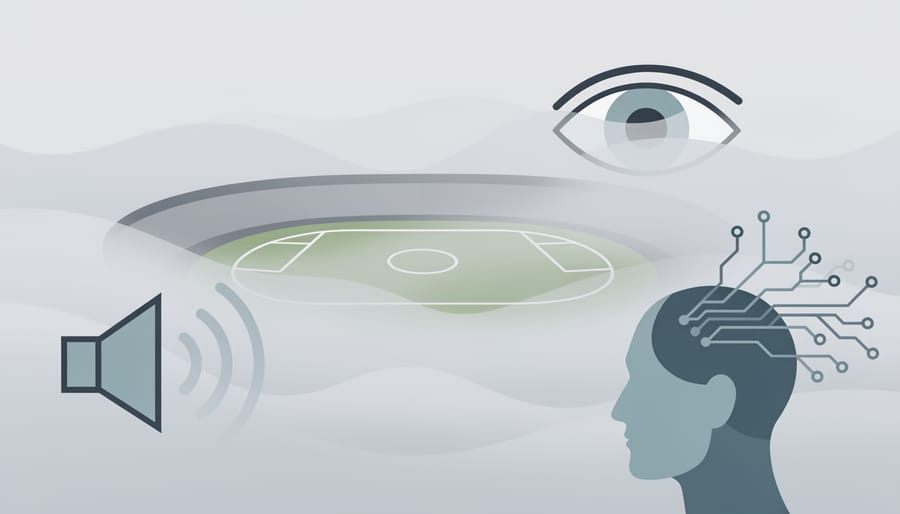
Weather effects can turn a clean broadcast into a muddy, frustrating viewing experience if you don’t adjust your live streaming setup accordingly. When fog, rain, or sandstorms roll into competitive gameplay, standard camera angles suddenly fail because viewers can’t track player positions or key moments through reduced visibility.
Pull camera angles higher and wider during heavy weather sequences. Close-up action shots that work perfectly in clear conditions become useless when particle effects obscure half the screen. Elevated perspectives maintain spatial awareness even when ground-level visibility drops, letting audiences follow team movements and zone positioning despite environmental interference.
Boost contrast and adjust colour grading during weather transitions. Most games darken considerably during storms, which compounds poorly with typical broadcast compression. Your production broadcast software should have presets ready to punch up midtones and highlights the moment weather shifts, keeping action readable without washing out the image when conditions clear.
Lean harder on live tickers and player-cam overlays when in-game visibility drops. If viewers struggle to parse what’s happening through rain or blizzard effects, your on-screen graphics become the primary information source. Display kill feeds more prominently, enlarge mini-map overlays, and give facial cams extra real estate so audience attention shifts to player reactions during weather chaos rather than straining to decode obscured gameplay. These adjustments transform weather from a broadcast liability into a narrative element that heightens tension.
Competitive Fairness and Weather RNG
Tournament organizers face a fundamental decision: treat weather as a competitive variable or remove randomness entirely. In games like Fortnite or PUBG, random weather can create memorable broadcast moments, a final circle obscured by fog forces close-quarters combat, completely changing optimal loadouts and positioning. But that same unpredictability can feel unfair when a storm system heavily favors one team’s composition or playstyle.
Most organizers handle this through standardized rule sets: either lock all matches to identical weather conditions (clear skies for consistency) or ensure each team plays the same number of matches under each weather type across a tournament. Some competitive circuits designate specific rounds as “weather-enabled” while keeping playoffs in controlled conditions. The approach depends on your game title, tactical shooters typically demand consistency since visibility directly impacts gunplay fairness, while battle royales often embrace weather RNG as part of the genre’s inherent variability. Document your weather policy clearly in tournament rules before registration opens, and communicate how weather settings will be managed during technical pauses or rematch scenarios.
Setting Up Console Stations for Weather-Intensive Games
Running games with demanding weather systems requires console hardware that can maintain stable performance during particle-heavy sequences. When renting equipment for tournaments featuring weather-intensive titles, spec your Xbox Series X or PS5 units rather than last-gen consoles, dynamic rain, fog, and storm effects can cause frame drops on Xbox One or PS4 that create competitive inconsistencies between stations. For Nintendo Switch tournaments, verify whether your title runs in docked mode and whether weather effects are scaled down compared to other platforms.
Display configuration matters more than you’d expect. Games with rapid lighting transitions between sunny skies and storm darkness need monitors capable of quick response times and solid contrast ratios. Set displays to game mode to minimize input lag, but avoid cranking brightness to maximum, overcompensating for dark storm sequences will blow out detail during normal daylight phases. HDR-capable displays handle these shifts better, though you’ll want standardized settings across all stations to prevent competitive advantages.
Audio setup deserves particular attention when weather affects sound cues. Rain and wind can mask footsteps, reloads, and directional audio that competitive players rely on. Provide identical headsets across all stations with consistent volume levels, and run pre-event sound checks during different in-game weather conditions. Some organizers disable weather-affected ambient audio in competitive rulesets, but if you’re keeping it active, ensure your rental headsets have sufficient isolation to maintain audio clarity.
Temperature management becomes critical when multiple high-performance consoles run graphically intensive weather sequences for hours. Space stations to allow adequate ventilation, and if you’re setting up in a convention hall with variable climate control, monitor console temperatures throughout the event. Thermal throttling during a storm sequence isn’t just a technical failure, it’s a competitive integrity issue.
Creating Audience Engagement Around Weather Mechanics
Weather mechanics create natural drama in competitive gaming, and smart event organizers turn these moments into memorable broadcast content. When a sudden storm rolls into a battle royale match or visibility drops in a racing game, these shifts become storyline opportunities that pull viewers deeper into the action.
The key is anticipation. Your esports commentary team should track weather patterns during matches and build tension before changes occur. When casters notice darkening skies or wind picking up, they can preview how the coming weather might force tactical shifts or create unexpected advantages. This transforms random environmental changes into narrative beats that give structure to broadcasts.
Live viewer interaction works exceptionally well with weather mechanics. Set up polls asking audiences to predict how fog will impact the next engagement, or create prediction contests around which team will adapt fastest to changing conditions. Chat reactions during weather-triggered upsets generate organic excitement that extends beyond the tournament itself.
Consider creating highlight reels specifically focused on weather-influenced plays. That clutch victory during zero-visibility conditions or the tactical repositioning before a storm hits makes for shareable content that showcases both player skill and environmental awareness. These moments demonstrate why weather systems add competitive depth rather than just visual flair, giving your event distinctive content that stands out in post-tournament coverage and social media promotion.
What Event Organizers Need to Know Right Now
Start by auditing your game lineup, if you’re planning competitive events around titles with dynamic weather systems, you’ll need to decide early whether those mechanics align with your tournament format and audience expectations. For battle royales and open-world competitive games, weather can create memorable moments, but it also introduces variables that some players view as unfair. Talk to your participants before finalizing rules: some communities embrace weather RNG as part of the competitive landscape, while others prefer standardized conditions for skill-focused tournaments.
Equipment rental becomes more demanding when weather-heavy games are involved. These titles typically require more processing power to render dynamic environmental effects, so budget for higher-tier console rentals or ensure your Xbox Series X and PS5 units can maintain stable framerates during weather transitions. Test your display calibration with weather extremes in mind, screens that look perfect in clear conditions might wash out during intense fog or glare effects.
Brief your broadcast team specifically on weather-affected titles. If you’re investing in professional broadcasting your production crew needs to understand when weather shifts will impact visibility and audio cues. Create a simple reference document showing which games in your lineup feature weather, what conditions are possible, and how those conditions affect spectator clarity. This preparation prevents scrambling when sudden in-game storms compromise your main camera angles.
For participant briefings, include a weather mechanics segment in your pre-tournament player meetings. Explain which weather conditions are enabled, whether they’re randomized or scheduled, and any specific tournament rules around weather-based timeouts or technical pauses. Players who understand the environmental variables ahead of time can strategize accordingly rather than treating weather as an unwelcome surprise.
In-game weather systems aren’t going away, they’re becoming more sophisticated with each generation of titles, and they’ll continue shaping competitive scenarios across platforms. Event organizers who understand these mechanics now will run smoother tournaments and create more compelling broadcasts than those who treat weather as an afterthought or complication.
The practical steps matter most. Test your rental equipment with weather-intensive games before tournament day. Establish clear rules about weather RNG that participants understand before matches begin. Configure your broadcasting setup to showcase dynamic environments rather than fighting against them. Brief your production team on how weather shifts can become narrative moments instead of technical headaches.
Weather mechanics represent an opportunity to differentiate your events in 2026’s crowded competitive gaming landscape. Whether you’re running a campus tournament, coordinating a corporate gaming activation, or planning a multi-day esports event, treating weather systems as a competitive feature rather than a technical challenge will elevate your production quality and create more engaging experiences for participants and viewers alike. The organizers who adapt their technical setup and broadcast approach to these evolving gameplay elements will produce the tournaments people actually want to watch.